
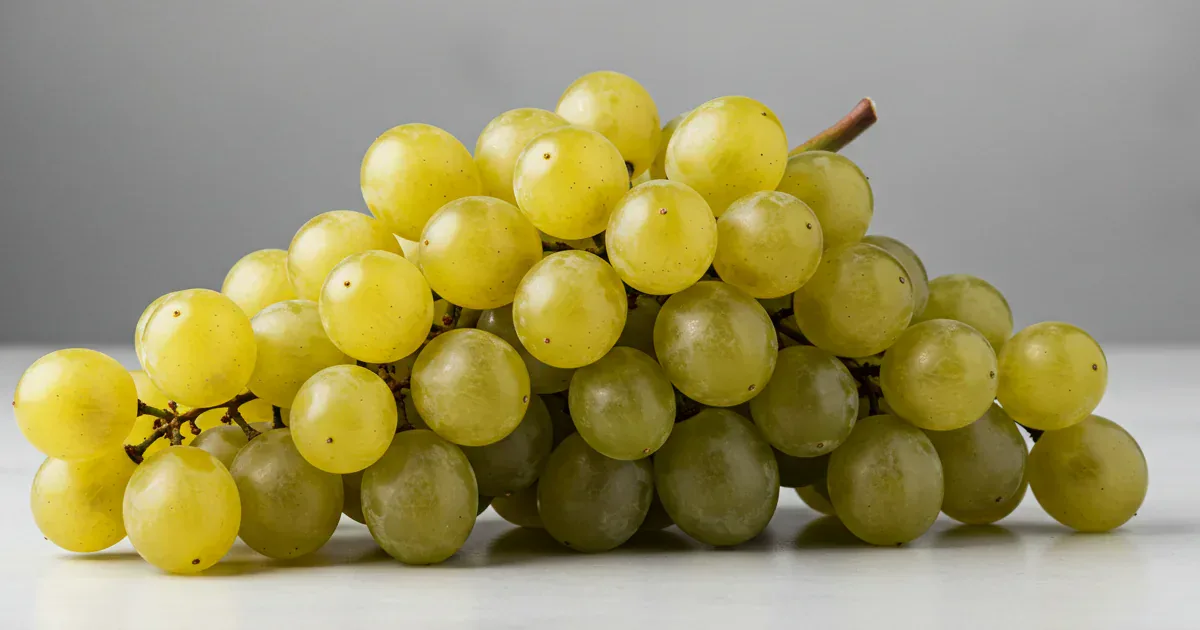
Origin & History
Albarino (Galician and Spanish spelling) and Alvarinho (Portuguese spelling) are the same cultivar, native to the Minho/Mino river basin straddling northwest Spain (Galicia) and northern Portugal. Its parentage has not been resolved by DNA analysis; Robinson, Harding & Vouillamoz (Wine Grapes, 2012, ISBN 978-1-846-14446-2) report no confirmed parents. An older popular theory that the variety arrived with Cluniac monks carrying Riesling cuttings has been explicitly refuted by molecular data: genetic profiling confirms Albarino is not related to Riesling (Myles et al., 2011, PNAS, 108(9), 3530-3535, doi:10.1073/pnas.1009363108). Registered in the OIV VIVC (Wikidata: Q277). Spain classifies it under Rias Baixas DO (established 1988); Portugal under Vinho Verde DOP.
Viticultural Characteristics
Thick skins provide good resistance to Botrytis cinerea in Galicia's damp Atlantic climate, where annual rainfall is among the highest of any major Spanish wine region. Traditionally trained on pergola systems (parrales) to lift vines above ground humidity; increasing numbers of producers use trellis systems for canopy management and easier mechanical intervention. Granitic soils in Val do Salnes (the primary Rias Baixas sub-zone) contribute a saline, stony mineral character.
Winemaking Style
Overwhelmingly stainless steel to preserve aromatic freshness; Albarino's naturally high acidity and intense aromatic profile (citrus, stone fruit, white flowers, saline mineral) are the primary winemaking assets. Lees aging on fine lees for added texture is practiced; some producers use large neutral oak for structure without oak flavor. Portuguese Alvarinho from Monçao e Melgaço is typically richer and more concentrated than Rias Baixas versions, reflecting warmer summer temperatures inland.
Food Pairing
- Classic Rias Baixas: Galician seafood (percebes, gambas, navajas, merluza a la gallega, pulpo)
- Vinho Verde Alvarinho: grilled sardines, seafood rice, bacalhau (salt cod) preparations
- General match: shellfish, oysters, sushi, ceviche
Sources
Claims marked (✓) were cross-referenced against publicly accessible documents at time of authorship (2026-09-02)
- (✓) Robinson, J., Harding, J., & Vouillamoz, J. (2012). Wine Grapes: A Complete Guide to 1,368 Vine Varieties. Allen Lane. ISBN 978-1-846-14446-2. Alvarinho entry.
- (✓) Myles, S. et al. (2011). "Genetic structure and domestication history of the grape." PNAS, 108(9), 3530-3535. doi:10.1073/pnas.1009363108 -- refutes Riesling-origin theory.
- (✓) Consello Regulador Rias Baixas. doriasbaixas.com
- (✓) Wikipedia, "Albarino". en.wikipedia.org/wiki/Albari%C3%B1o (Wikidata: Q277)
Metrics
| Global Plantings | 8 kha |
|---|---|
| Typical ABV | 12.5 % |
Descriptors
| Primary Color | White |
|---|---|
| Climate Affinity | Cool maritime |
| Aromatic Profile | Citrus, peach, saline, white flowers |
| Key Regions | Rías Baixas, Vinho Verde (as Alvarinho) |
| Parentage | Iberian white; exact parents debated |
| Skin Character | Thick skins, disease-resistant in humid climates |
Notable Regions & Styles (5)
Key producing regions for this variety, showing the dominant style and the applicable classification framework (AOC, DOC, AVA, GI, DO, DAC, PDO).
| Region | Country | Style | Classification |
|---|---|---|---|
| Rias Baixas (Val do Salnes) | Spain | Saline, citrus, white flowers; the core sub-zone on granitic soils | DO |
| Rias Baixas (Ribeira do Ulla) | Spain | Richer, more textured; continental influence inland | DO |
| Rias Baixas (O Rosal, Condado do Tea) | Spain | Southern sub-zones; often blended with Loureiro | DO |
| Monçao e Melgaço (Alvarinho) | Portugal | Fuller, most concentrated expression; warmer summers than Rias Baixas | DOP (Vinho Verde) |
| Vinho Verde (general) | Portugal | Lighter Alvarinho-based whites; crisp, fresh, lower alcohol | DOP |
Frequently asked questions
What is Albarino wine?
Albarino (also spelled Alvarinho in Portugal) is an aromatic white grape from northwest Iberia, producing wines known for their high acidity, citrus and stone-fruit character, floral notes, and saline mineral quality. It is the flagship grape of Spain's Rias Baixas DO and Portugal's Vinho Verde DOP.
Is Albarino related to Riesling?
No. An older theory that Albarino descended from Riesling brought by Cluniac monks has been refuted by genetic analysis (Myles et al., 2011, PNAS). The two varieties are not related; Albarino is a distinct Iberian cultivar of unknown parentage.
What is the difference between Spanish Albarino and Portuguese Alvarinho?
Same grape, spelled differently by country. Spanish Rias Baixas Albarino tends toward a lighter, more citrus-forward style. Portuguese Alvarinho from Monçao e Melgaço is typically richer, fuller, and more concentrated due to warmer summers in that inland sub-zone. Both have high acidity and aromatic intensity.
What food pairs with Albarino?
Albarino is the classic match for Galician seafood: barnacles (percebes), shrimp (gambas), razor clams (navajas), hake (merluza), and grilled octopus (pulpo a la gallega). More broadly it suits any shellfish, oysters, ceviche, sushi, and salt cod preparations.
Related in this catalog
-
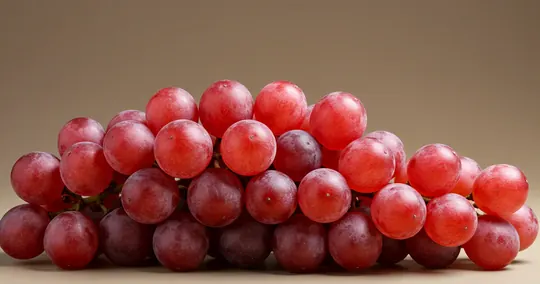
Gewürztraminer
Gewürztraminer is a pink-skinned aromatic grape producing deeply perfumed whites with lychee, rose, and spice notes. Alsace is its quality capital; the name signals the “spiced” (gewürz) Traminer mutation.
-
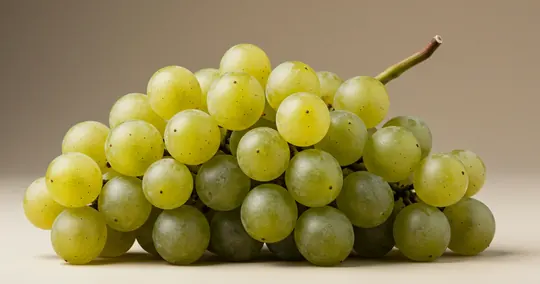
Grüner Veltliner
Grüner Veltliner is Austria’s signature white grape, delivering peppery, citrus-driven wines from light Heuriger styles to monumental Smaragd bottlings. The Wachau, Kremstal, and Kamptal define its global reputation.
-
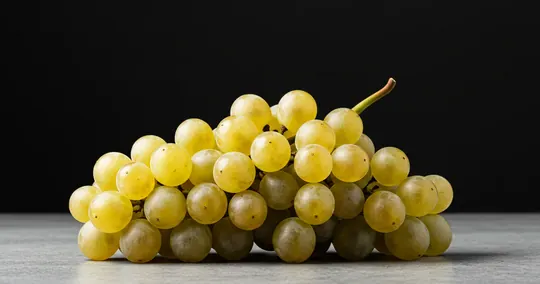
Sémillon
Sémillon is a golden-skinned Bordeaux grape central to dry Graves whites and sweet Sauternes, and to long-lived Hunter Valley wines in Australia. Thin skins make it especially receptive to noble rot in humid autumns.
-
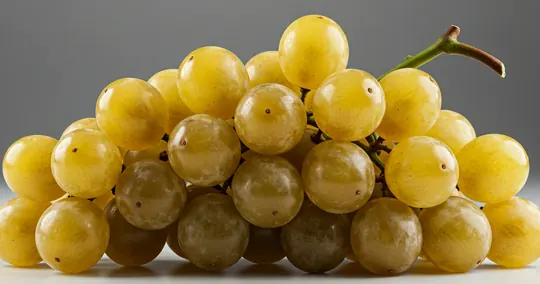
Muscat
Muscat denotes a family of ancient aromatic grapes—especially Muscat Blanc à Petits Grains—that smell like fresh grapes and orange blossom. Styles span dry Alsace bottles, sparkling Asti, and fortified Mediterranean vins doux naturels.