
Origin & History
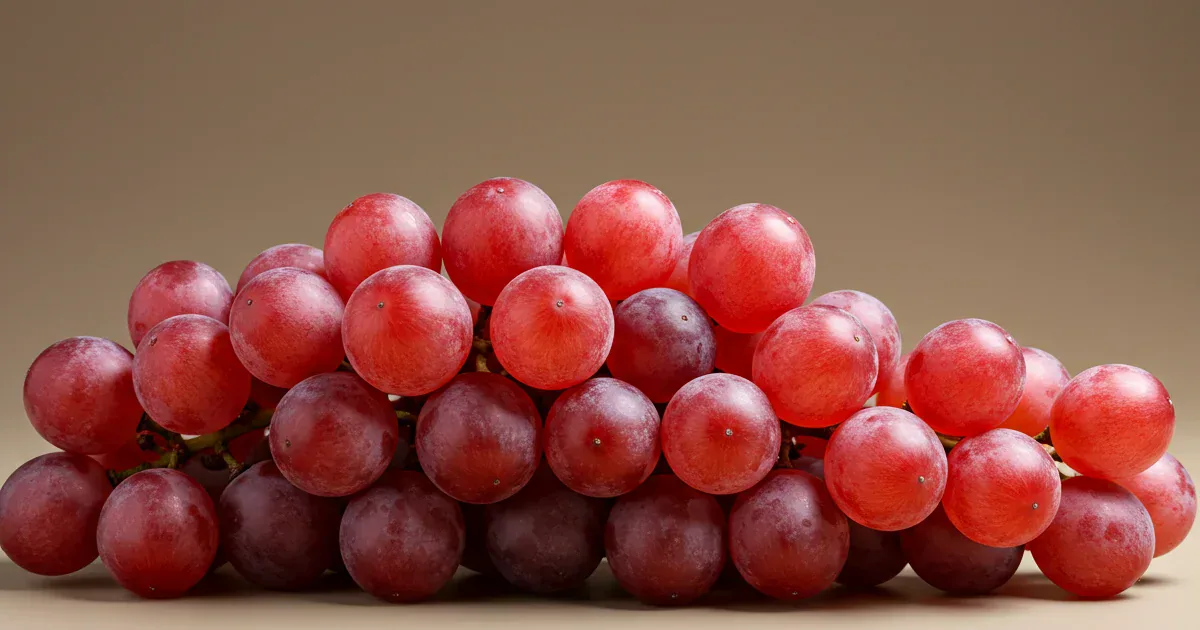
Gewurztraminer is a member of the Savagnin (Traminer) grape family. The name derives from "Traminer," referencing the village of Tramin (Termeno) in Alto Adige (South Tyrol), Italy, and the prefix "Gewurz" (meaning spiced or aromatic in German). The aromatic mutation that defines modern Gewurztraminer, including pink-to-rose-tinted berry skins and intensified perfume compared to non-aromatic Traminer, is documented from the 19th century, though the exact timing is uncertain (Robinson, Harding & Vouillamoz, Wine Grapes, 2012, ISBN 978-1-846-14446-2). DNA analysis confirms its identity as an aromatic variant within the Savagnin family. Registered in the OIV VIVC (Wikidata: Q276).
Viticultural Characteristics
Gewurztraminer buds early (spring frost risk) and ripens early, requiring careful site selection for temperature moderation. Low natural acidity and a tendency toward high potential alcohol present the key winemaking challenges. Pink skins contribute tannin-like phenolics if maceration is prolonged. In Alsace, grands crus sited on granite, sandstone, and volcanic soils (Hengst, Goldert, Steingrubler) offer thermal conditions suited to full ripening without excessive alcohol accumulation.
Winemaking Style
Almost always unoaked; the goal is to preserve the variety's extraordinary aromatic signature (lychee, damask rose, ginger, allspice) through long cool fermentations. Alcohol management is a challenge in warm years, as Gewurztraminer easily reaches 14-15% abv, which fatigues the palate if the wine lacks compensating acid or residual sugar. Off-dry to slightly sweet versions are common because a touch of sugar buffers the low acidity. Alsace Vendange Tardive and Selection de Grains Nobles categories allow intense dessert expressions.
Food Pairing
- Off-dry Alsace: Munster cheese (the canonical regional pairing), choucroute garnie, Thanksgiving turkey
- Dry styles: spiced Alsatian dishes, Chinese five-spice preparations, mildly spiced Vietnamese food
- Vendange Tardive: fruit-forward desserts, foie gras, mild blue cheese
Sources
Claims marked (✓) were cross-referenced against publicly accessible documents at time of authorship (2026-09-02)
- (✓) Robinson, J., Harding, J., & Vouillamoz, J. (2012). Wine Grapes: A Complete Guide to 1,368 Vine Varieties. Allen Lane. ISBN 978-1-846-14446-2. Gewurztraminer entry.
- (✓) CIVA (Conseil Interprofessionnel des Vins d'Alsace). vinsalsace.com
- (✓) Wikipedia, "Gewurztraminer". en.wikipedia.org/wiki/Gewurztraminer (Wikidata: Q276)
- Timing of the aromatic mutation separating Gewurztraminer from Savagnin is uncertain; treat 19th-century attribution as approximate.
Metrics
| Global Plantings | 20 kha |
|---|---|
| Typical ABV | 13.5 % |
Descriptors
| Primary Color | White |
|---|---|
| Climate Affinity | Cool to moderate |
| Aromatic Profile | Lychee, rose petal, ginger, spice |
| Key Regions | Alsace, Alto Adige, New Zealand |
| Parentage | Aromatic mutation of Savagnin/Traminer family |
| Skin Character | Pink skins, early budding |
Notable Regions & Styles (5)
Key producing regions for this variety, showing the dominant style and the applicable classification framework (AOC, DOC, AVA, GI, DO, DAC, PDO).
| Region | Country | Style | Classification |
|---|---|---|---|
| Alsace (Grand Cru) | France | Richest; spiced, concentrated; Hengst, Goldert, Steingrubler benchmarks; often off-dry | AOC Grand Cru |
| Alsace (Vendange Tardive / SGN) | France | Extremely late-harvest; noble rot possible; dessert style | AOC (VT or SGN) |
| Alto Adige | Italy | Leaner, more aromatic and acid-forward than Alsace; alpine freshness | DOC |
| Pfalz | Germany | Off-dry to medium-sweet; floral; lighter body | Pradikat |
| Gisborne | New Zealand | Perfumed, tropical; lighter in body; accessible | GI |
Frequently asked questions
What makes Gewurztraminer so distinctive?
Gewurztraminer is immediately recognizable by its intense lychee, damask rose, ginger, and allspice aromas, which are among the most dramatic of any white wine grape. Pink skins and naturally low acidity further distinguish it from most other white varieties.
Is Gewurztraminer always sweet?
Not necessarily. Alsace Gewurztraminer ranges from dry to very sweet (Vendange Tardive, Selection de Grains Nobles). However, even ostensibly dry versions often carry some residual sugar to balance the naturally low acidity, so checking the label or tasting note for sugar level is worthwhile.
What food pairs with Gewurztraminer?
The classic Alsatian pairing is Munster cheese with off-dry Gewurztraminer. It also suits choucroute garnie, Chinese five-spice dishes, Indian and Thai curries with aromatic spices, and foie gras when off-dry or sweet.
Where does the best Gewurztraminer come from?
Alsace, France produces the benchmark expression, particularly from grands crus on granite and volcanic soils (Hengst, Goldert, Steingrubler). Alto Adige in Italy produces a crisper, more aromatic and acid-forward style. Germany's Pfalz and New Zealand's Gisborne also produce notable examples.
Related in this catalog
-
Sémillon
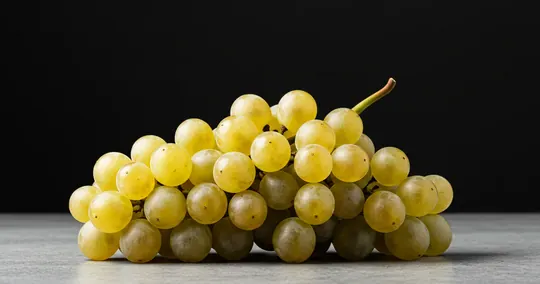
Sémillon is a golden-skinned Bordeaux grape central to dry Graves whites and sweet Sauternes, and to long-lived Hunter Valley wines in Australia. Thin skins make it especially receptive to noble rot in humid autumns.
-
Albariño
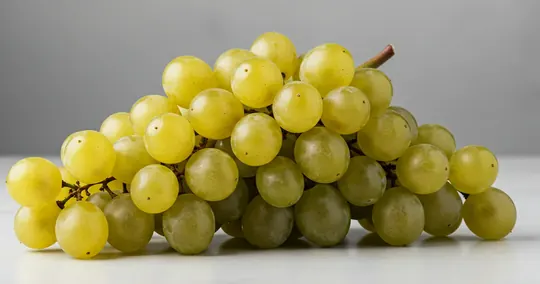
Albariño (Alvarinho in Portugal) is a thick-skinned white grape from Galicia’s Rías Baixas and neighboring Vinho Verde. It yields aromatic, high-acid wines with citrus, peach, and Atlantic salinity.
-
Viognier
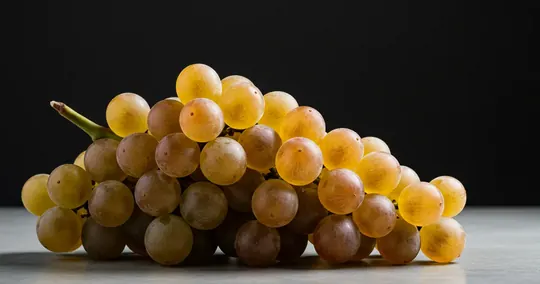
Viognier is an aromatic white Rhône grape producing full-bodied wines with apricot, peach, and floral perfume. Condrieu is its tiny historic appellation; plantings have expanded modestly worldwide since the late twentieth century.
-
Grüner Veltliner
Grüner Veltliner is Austria’s signature white grape, delivering peppery, citrus-driven wines from light Heuriger styles to monumental Smaragd bottlings. The Wachau, Kremstal, and Kamptal define its global reputation.