
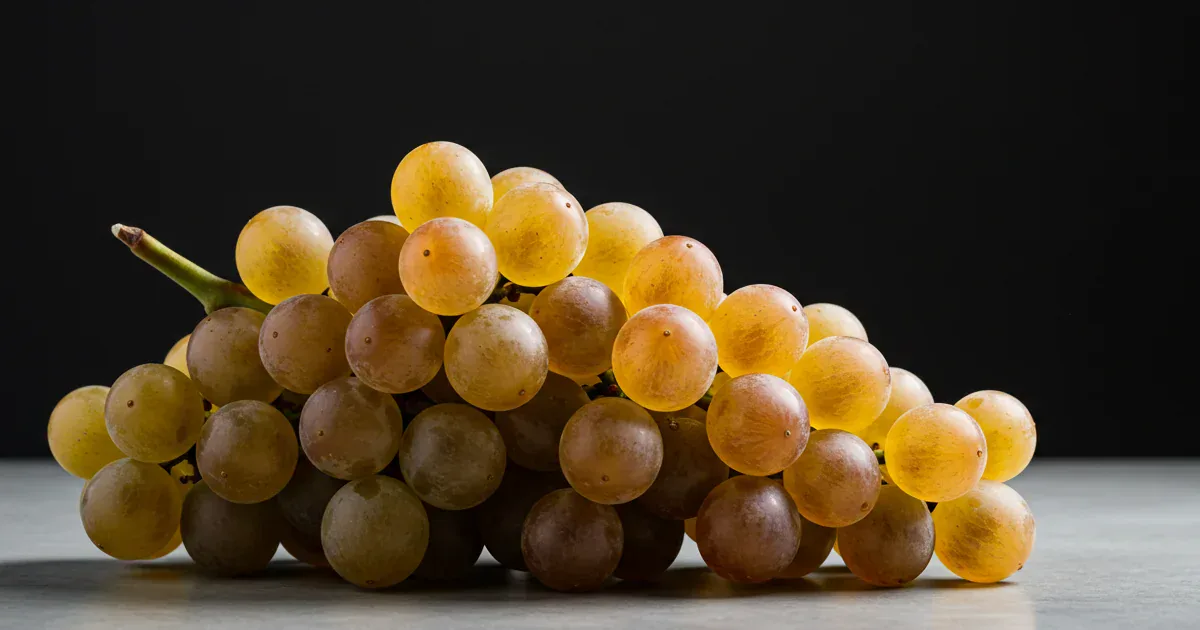
Origin & History
Viognier is historically associated with the Northern Rhone Valley of France, where it is the sole permitted variety in Condrieu AOC and Château-Grillet AOC. By the mid-20th century the variety had declined to approximately 14 hectares of total cultivation (this figure is widely cited in wine literature but should be treated as approximate; verify against CIVR historical records). A revival began in the 1980s driven by a handful of Condrieu producers (Guigal, Georges Vernay, Pinchon), then spread to California (Napa, Paso Robles) and Australia (Eden Valley, Barossa). DNA parentage is not definitively established; Robinson, Harding & Vouillamoz (2012, ISBN 978-1-846-14446-2) note a possible relationship with Mondeuse Blanche but treat this as uncertain. Registered in the OIV VIVC (Wikidata: Q274).
Viticultural Characteristics
Viognier ripens early, requires warm and well-drained sites, and has historically demanded low yields for aromatic concentration; overcropping produces a flat, characterless wine. Flower-set is erratic and naturally low, contributing to commercial marginalization in the 20th century. Botrytis resistance is reasonable relative to thin-skinned varieties. The variety's aromatic richness (apricot, peach, honeysuckle) requires careful harvest timing: underripe fruit is thin and bitter, overripe fruit heavy and alcoholic.
Winemaking Style
Barrel fermentation or large neutral-cask aging suits Viognier's naturally rich, low-acid, oily texture. The variety's distinctive apricot-honeysuckle perfume is easily overwhelmed by new oak; most quality producers use high proportions of used or large-format wood. Co-fermentation with Syrah in Cote-Rotie is a traditional Northern Rhone practice (Viognier added as up to 20% of a Syrah-dominant blend) thought to improve color stability and aromatic lift.
Food Pairing
- Condrieu: freshwater crayfish, pan-fried foie gras, apricot-glazed poultry, mildly spiced lamb
- California and Australian styles: grilled lobster, butter-poached fish, ripe soft cheeses
- Younger Viognier: richly flavored chicken and vegetable curries (Viognier's lack of acidity suits aromatic, sweet-spiced dishes)
Sources
Claims marked (✓) were cross-referenced against publicly accessible documents at time of authorship (2026-09-02)
- (✓) Robinson, J., Harding, J., & Vouillamoz, J. (2012). Wine Grapes: A Complete Guide to 1,368 Vine Varieties. Allen Lane. ISBN 978-1-846-14446-2. Viognier entry.
- (✓) CIVR (Inter Rhone). inter-rhone.com
- (✓) Wikipedia, "Viognier". en.wikipedia.org/wiki/Viognier (Wikidata: Q274)
- Parentage note: proposed relationship with Mondeuse Blanche not confirmed; Robinson/Harding/Vouillamoz treat it as uncertain.
- Decline figure (14 hectares) is widely cited but should be verified against CIVR archival sources before citation in outreach.
Metrics
| Global Plantings | 16 kha |
|---|---|
| Typical ABV | 13.5 % |
Descriptors
| Primary Color | White |
|---|---|
| Climate Affinity | Warm temperate |
| Aromatic Profile | Apricot, peach, honeysuckle, spice |
| Key Regions | Northern Rhône, Languedoc, California, Australia |
| Parentage | Rhône lineage; related to Mondeuse Blanche in studies |
| Skin Character | Thick skins, low yields historically |
Notable Regions & Styles (6)
Key producing regions for this variety, showing the dominant style and the applicable classification framework (AOC, DOC, AVA, GI, DO, DAC, PDO).
| Region | Country | Style | Classification |
|---|---|---|---|
| Condrieu | France | The original benchmark; apricot, peach, honeysuckle; low yields required | AOC |
| Château-Grillet | France | Single-estate AOC within Condrieu; age-worthy; one of France's smallest appellations | AOC (single domaine) |
| Cote-Rotie | France | Co-fermented with Syrah (up to 20%); aromatic lift on Syrah-dominant red | AOC |
| Eden Valley | Australia | Floral, apricot-driven; cooler climate restraint versus Barossa | GI |
| Barossa Valley | Australia | Richer, fuller; tropical fruit; robust | GI |
| California (Paso Robles) | USA | Full-bodied; tropical fruit; warm-climate expression | AVA |
Frequently asked questions
What is Viognier and where does it come from?
Viognier is a white wine grape native to France's Northern Rhone Valley, where it is the exclusive variety in Condrieu AOC and Château-Grillet AOC. It nearly went extinct by the mid-20th century before a revival from the 1980s onward.
What does Viognier smell like?
Viognier is intensely aromatic with apricot, peach, honeysuckle, and violet, often with a distinctive oily or waxy texture on the palate. Its perfume is among the most exotic of any white wine grape.
Why is Viognier sometimes blended into Syrah red wine?
In Cote-Rotie (Northern Rhone), up to 20% Viognier may be co-fermented with Syrah. This is a traditional practice thought to improve color stability and contribute aromatic lift to the finished red wine.
What food pairs with Viognier?
Condrieu suits freshwater crayfish, foie gras, and apricot-glazed poultry. Californian and Australian Viognier pairs with lobster, butter-poached fish, and aromatic curries. Its low acidity and rich texture mean it suits dishes with sweetly spiced or rich sauces.
Related in this catalog
-
Chenin Blanc
Chenin Blanc is a versatile white grape with naturally high acidity, supporting dry, off-dry, sparkling, and sweet wines. The Loire Valley is its historic home; South Africa holds the largest modern plantings.
-
Sémillon
Sémillon is a golden-skinned Bordeaux grape central to dry Graves whites and sweet Sauternes, and to long-lived Hunter Valley wines in Australia. Thin skins make it especially receptive to noble rot in humid autumns.
-
Pinot Gris
Pinot Gris (Pinot Grigio) is a Pinot Noir color mutation with grey-pink skins that produces white wines from light and crisp to rich and spicy. Alsace, northern Italy, and Oregon are leading quality centers.
-
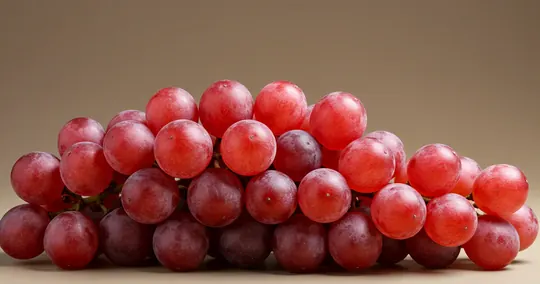
Gewürztraminer
Gewürztraminer is a pink-skinned aromatic grape producing deeply perfumed whites with lychee, rose, and spice notes. Alsace is its quality capital; the name signals the “spiced” (gewürz) Traminer mutation.