
Origin & History
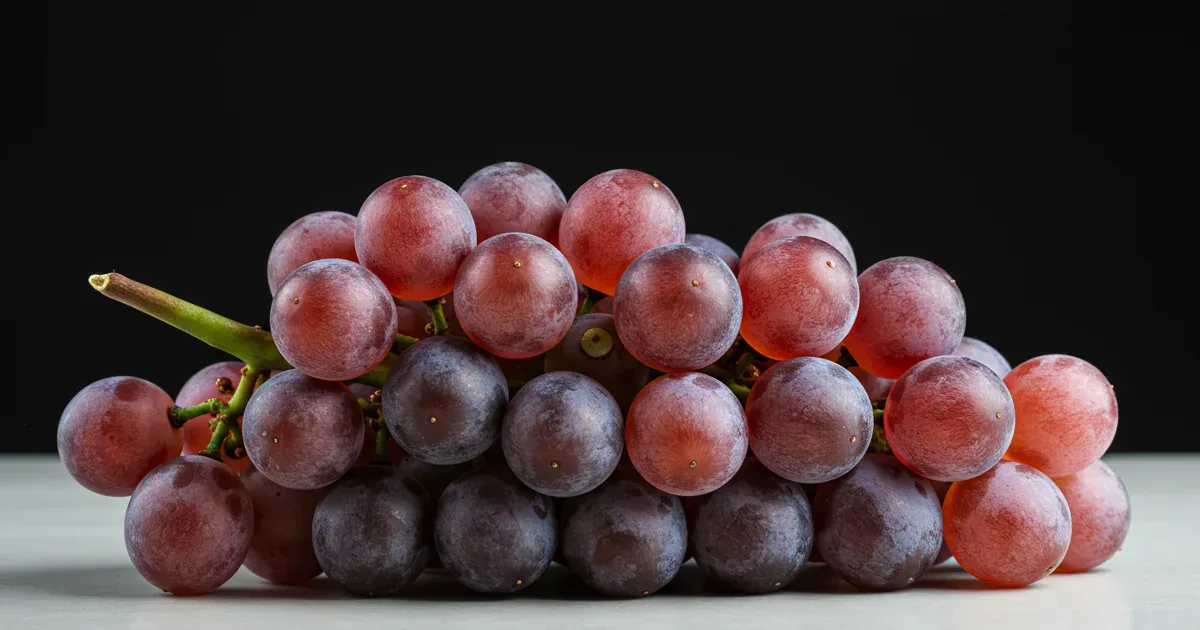
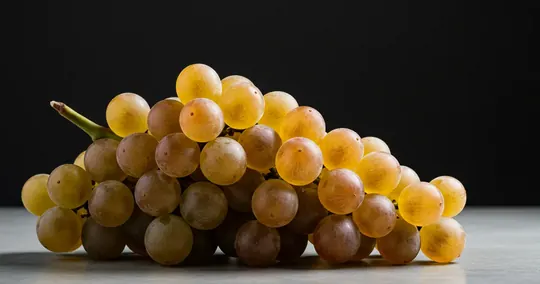
Pinot Gris is a naturally occurring color mutation of Pinot Noir, carrying grey-to-pink pigmentation in the berry skins. As a somatic mutation rather than a sexual cross, it shares the same underlying genome as Pinot Noir, confirmed by DNA analysis (Robinson, Harding & Vouillamoz, Wine Grapes, 2012, ISBN 978-1-846-14446-2). Early pink-skinned Pinot mutations are documented in Burgundy from at least the 15th century. Alsatian growers historically called it "Tokay d'Alsace" until an EU regulation in the early 2000s required the name Pinot Gris. In Italy it is established in the Veneto and Friuli as Pinot Grigio. Registered in the OIV VIVC (Wikidata: Q272).
Viticultural Characteristics
Thin skins (shared with Pinot Noir) make the variety susceptible to Botrytis cinerea and grey rot in wet conditions. Early budding creates spring frost exposure; compact clusters restrict airflow and increase fungal pressure. Harvest date and ripeness level are the primary levers for style: early picking in the Veneto produces pale, high-acid Pinot Grigio; later picking in Alsace, sometimes with partial skin contact, produces deeply colored, phenolic, spice-laden Pinot Gris with frequent residual sugar.
Winemaking Style
Range from near-water-white, stainless steel, early-drinking Italian Pinot Grigio to richly textured, spice-forward, oak-influenced Alsace Pinot Gris. Skin contact is used by some producers in Alsace and natural-wine contexts to deepen color (copper-orange) and add phenolic grip. Alsace Vendange Tardive and Selection de Grains Nobles categories allow intense sweet expressions. Oregon Willamette Valley produces a middle-weight style with pear and melon character, bridging the Italian and Alsatian poles.
Food Pairing
- Italian Pinot Grigio: light antipasti, grilled vegetables, seafood pasta, prosciutto
- Alsace Pinot Gris: foie gras, charcuterie, smoked fish, Munster cheese
- Oregon style: roast pork, wild mushrooms, Pacific salmon
- Alsace Vendange Tardive: fruit-forward desserts, mild blue cheese
Sources
Claims marked (✓) were cross-referenced against publicly accessible documents at time of authorship (2026-09-02)
- (✓) Robinson, J., Harding, J., & Vouillamoz, J. (2012). Wine Grapes: A Complete Guide to 1,368 Vine Varieties. Allen Lane. ISBN 978-1-846-14446-2. Pinot gris entry.
- (✓) CIVA (Conseil Interprofessionnel des Vins d'Alsace). vinsalsace.com
- (✓) Wikipedia, "Pinot gris". en.wikipedia.org/wiki/Pinot_gris (Wikidata: Q272)
Metrics
| Global Plantings | 55 kha |
|---|---|
| Typical ABV | 13 % |
Descriptors
| Primary Color | White |
|---|---|
| Climate Affinity | Cool to moderate |
| Aromatic Profile | Pear, honey, spice, faint pink-fruit |
| Key Regions | Alsace, Alto Adige, Oregon, Veneto (as Pinot Grigio) |
| Parentage | Mutation of Pinot Noir |
| Skin Character | Pink-grey skins, early ripening |
Notable Regions & Styles (5)
Key producing regions for this variety, showing the dominant style and the applicable classification framework (AOC, DOC, AVA, GI, DO, DAC, PDO).
| Region | Country | Style | Classification |
|---|---|---|---|
| Alsace | France | Rich, spicy, often off-dry to sweet; Grand Cru and Vendange Tardive expressions | AOC (Grand Cru available) |
| Alto Adige | Italy | Crisp, aromatic, dry; influenced by mountain air and altitude | DOC |
| Veneto / Friuli (Pinot Grigio) | Italy | Light, pale, high-acid, early-drinking | DOC / DOCG |
| Willamette Valley | USA | Pear-driven, medium-weight; between Alsace and Italian poles | AVA |
| Marlborough | New Zealand | Crisp, citrus-forward; growing category alongside Sauvignon Blanc | GI |
Frequently asked questions
What is the difference between Pinot Gris and Pinot Grigio?
Same grape, dramatically different styles. Pinot Grigio (Italian) is typically harvested early for a light, crisp, pale wine. Alsace Pinot Gris is harvested riper for a fuller-bodied, spicier wine that often carries residual sugar. The name reflects the style as much as the origin.
Is Pinot Gris related to Pinot Noir?
Yes. Pinot Gris is a natural color mutation of Pinot Noir, confirmed by DNA analysis. The two share identical genetic parentage; only a mutation affecting skin pigmentation distinguishes them.
What does Alsace Pinot Gris taste like?
Alsace Pinot Gris is typically rich and full-bodied with pear, honey, smoke, and spice notes, often with some residual sugar. Vendange Tardive (late-harvest) versions show concentrated apricot and ginger with higher sweetness.
What food pairs best with Pinot Gris?
Italian Pinot Grigio suits light antipasti and seafood pasta. Fuller Alsace Pinot Gris matches foie gras, smoked fish, charcuterie, and the regional Munster cheese. Oregon styles complement roast pork and wild mushrooms.
Related in this catalog
-
Sauvignon Blanc
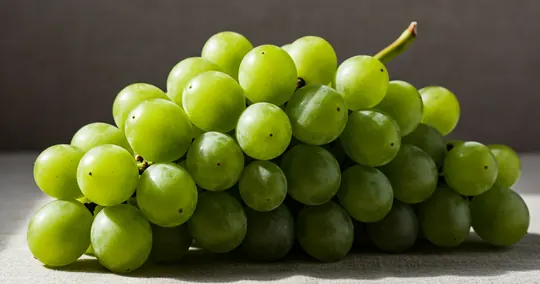
Sauvignon Blanc is a green-skinned grape known for pungent herbaceous and tropical aromatics and crisp acidity. Loire appellations such as Sancerre and Pouilly-Fumé, plus New Zealand’s Marlborough, define its modern global reputation.
-
Chenin Blanc
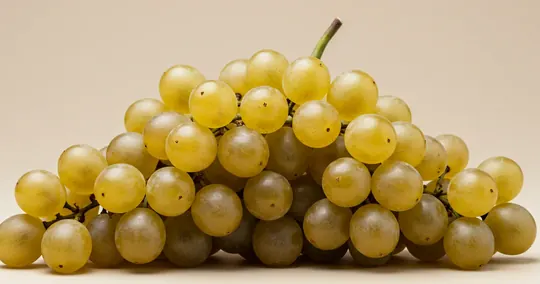
Chenin Blanc is a versatile white grape with naturally high acidity, supporting dry, off-dry, sparkling, and sweet wines. The Loire Valley is its historic home; South Africa holds the largest modern plantings.
-
Riesling
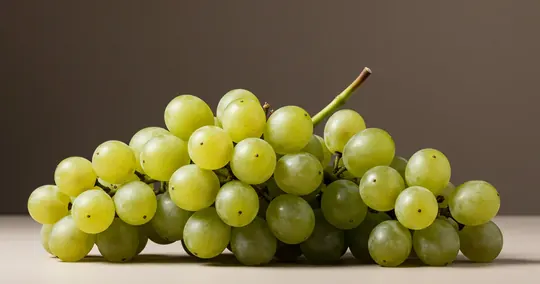
Riesling is an aromatic white grape prized for high acidity, transparency to site, and a spectrum from bone-dry to lusciously sweet. Its historic heartland is Germany’s Mosel and Rheingau, with major plantings also in Alsace and cool Australian valleys.
-
Viognier
Viognier is an aromatic white Rhône grape producing full-bodied wines with apricot, peach, and floral perfume. Condrieu is its tiny historic appellation; plantings have expanded modestly worldwide since the late twentieth century.