
Origin & History
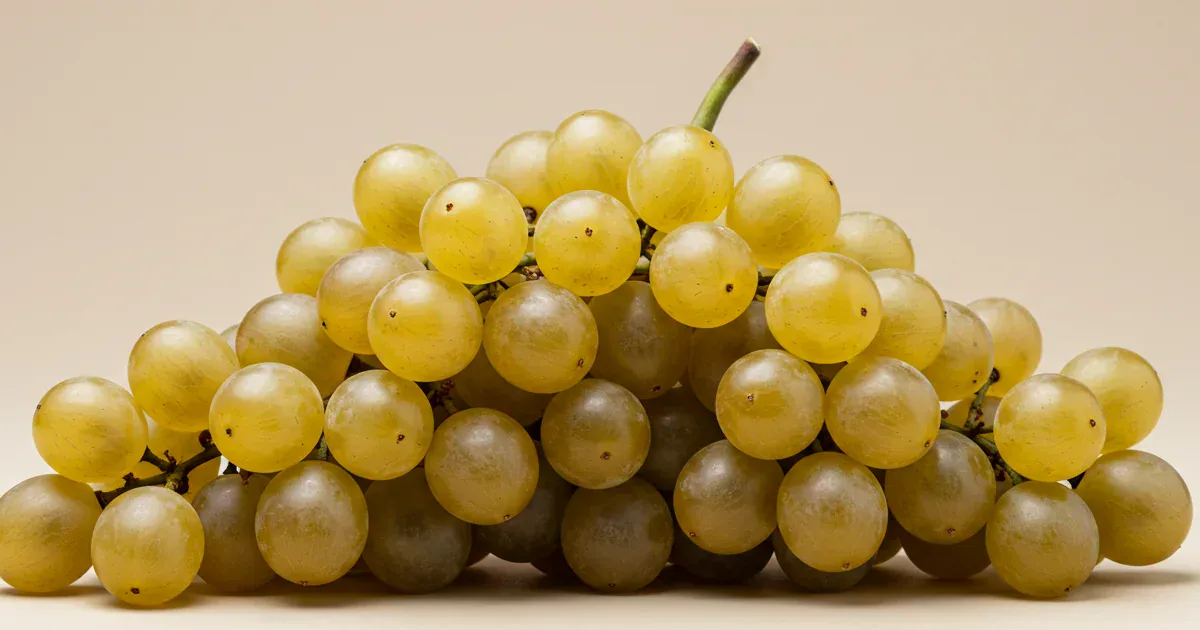
Chenin Blanc is native to the Anjou-Touraine area of the Loire Valley, France. Documentary references in Anjou date to at least the 15th century; some sources associate the name with Mont Chenin in Touraine, but this link is not definitively established (Robinson, Harding & Vouillamoz, Wine Grapes, 2012, ISBN 978-1-846-14446-2). Its parentage is uncertain; a possible relationship with the Savagnin (Traminer) family has been proposed but not confirmed by published DNA data. Registered in the OIV VIVC (Wikidata: Q273). South Africa hosts the world's largest plantings, where the variety is commonly called Steen; area is approximately 17,000 to 20,000 hectares (approximate; verify against current SAWIS statistics).
Viticultural Characteristics
Chenin Blanc's most characteristic viticultural trait is high natural acidity that persists even at late harvest, enabling a stylistic range from completely dry to profoundly sweet from a single cultivar. It buds and ripens late, providing partial frost protection and a wide harvest window. Tuffeau limestone in Vouvray and Savennières contributes chalk-driven minerality; Atlantic humidity enables both unwanted grey rot and desirable noble rot. Yields readily, which historically hurt quality in bulk production; careful yield management is necessary for concentration.
Winemaking Style
Exceptionally wide stylistic range: bone-dry Savennieres and Anjou Sec; sparkling Cremant de Loire and Vouvray Petillant; medium-sweet Vouvray Demi-Sec; and profoundly sweet Vouvray Moelleux, Quarts de Chaume, and Bonnezeaux (noble-rot). South African old-vine Chenin from Swartland and Stellenbosch demonstrated in the 2010s that the variety makes serious, structured dry wines outside the Loire. Winemakers use stainless steel, neutral oak, and amphora; new oak is uncommon.
Food Pairing
- Dry Loire (Savennieres, Anjou Sec): freshwater pike, rillettes, fresh chevre
- Off-dry Vouvray Demi-Sec: spiced Thai and Vietnamese food, chicken in cream sauce, charcuterie
- Botrytized (Quarts de Chaume, Bonnezeaux): foie gras, blue-veined cheeses, fruit desserts
- South African dry Chenin: grilled fish, crayfish, Cape Malay curry
Sources
Claims marked (✓) were cross-referenced against publicly accessible documents at time of authorship (2026-09-02)
- (✓) Robinson, J., Harding, J., & Vouillamoz, J. (2012). Wine Grapes: A Complete Guide to 1,368 Vine Varieties. Allen Lane. ISBN 978-1-846-14446-2. Chenin blanc entry.
- (✓) Syndicat des vignerons de Vouvray. vouvray.com
- (✓) Wikipedia, "Chenin blanc". en.wikipedia.org/wiki/Chenin_blanc (Wikidata: Q273)
- Parentage note: proposed relationship with Savagnin family is unconfirmed by published DNA data.
Metrics
| Global Plantings | 35 kha |
|---|---|
| Typical ABV | 12.5 % |
Descriptors
| Primary Color | White |
|---|---|
| Climate Affinity | Cool to warm temperate |
| Aromatic Profile | Quince, apple, honey, chamomile |
| Key Regions | Loire Valley, South Africa |
| Parentage | Likely related to Savagnin group (debated) |
| Skin Character | Thick skins, high natural acidity |
Notable Regions & Styles (6)
Key producing regions for this variety, showing the dominant style and the applicable classification framework (AOC, DOC, AVA, GI, DO, DAC, PDO).
| Region | Country | Style | Classification |
|---|---|---|---|
| Vouvray | France | Dry, off-dry, moelleux, and petillant on tuffeau limestone | AOC |
| Savennieres | France | Bone-dry, mineral, austere when young; long-lived | AOC (Coulee de Serrant and Roche aux Moines within) |
| Quarts de Chaume | France | Noble-rot botrytized sweet; Grand Cru | AOC Grand Cru |
| Bonnezeaux | France | Botrytized sweet; honeyed quince and apricot | AOC |
| Swartland | South Africa | Old-vine dry; savory, textured, concentrated | WO (Wine of Origin) |
| Stellenbosch | South Africa | Dry and off-dry; tropical fruit, accessible | WO (Wine of Origin) |
Frequently asked questions
What styles of wine does Chenin Blanc make?
Chenin Blanc is uniquely versatile: it produces bone-dry still wines (Savennieres), sparkling wines (Cremant de Loire, Vouvray Petillant), off-dry demi-sec, and profoundly sweet botrytized wines (Vouvray Moelleux, Quarts de Chaume, Bonnezeaux) as well as serious dry old-vine wines in South Africa.
Where is Chenin Blanc most planted?
South Africa has the world's largest Chenin Blanc plantings (known locally as Steen), with approximately 17,000 to 20,000 hectares. The Loire Valley in France is the historic benchmark for quality, particularly Vouvray, Savennieres, Quarts de Chaume, and Bonnezeaux.
Why does Vouvray cover so many different wine styles?
Vouvray AOC permits dry (sec), off-dry (demi-sec), sweet (moelleux), and sparkling (petillant) versions all made from Chenin Blanc. The variety's high acidity means it can carry residual sugar without tasting cloying, and Atlantic autumn humidity allows noble rot in suitable years.
What food pairs with Chenin Blanc?
Dry Chenin suits freshwater fish and rillettes. Off-dry Vouvray complements spicy Asian food and chicken in cream sauce. Botrytized Chenin from Quarts de Chaume is the classic match for foie gras. South African dry Chenin pairs well with seafood and Cape Malay cuisine.
Related in this catalog
-
Pinot Gris
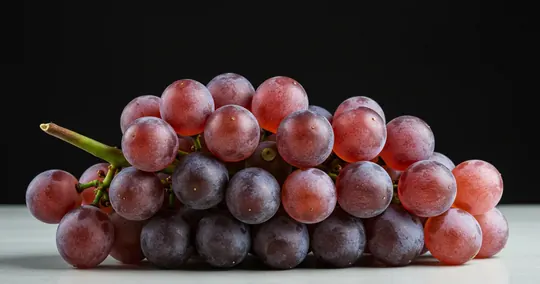
Pinot Gris (Pinot Grigio) is a Pinot Noir color mutation with grey-pink skins that produces white wines from light and crisp to rich and spicy. Alsace, northern Italy, and Oregon are leading quality centers.
-
Viognier
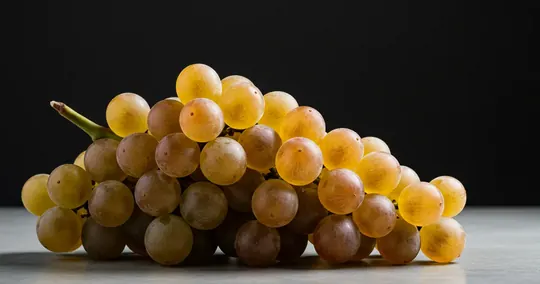
Viognier is an aromatic white Rhône grape producing full-bodied wines with apricot, peach, and floral perfume. Condrieu is its tiny historic appellation; plantings have expanded modestly worldwide since the late twentieth century.
-
Sauvignon Blanc
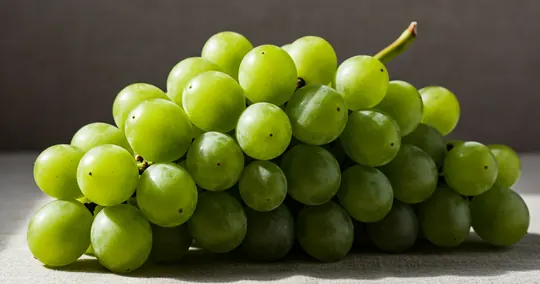
Sauvignon Blanc is a green-skinned grape known for pungent herbaceous and tropical aromatics and crisp acidity. Loire appellations such as Sancerre and Pouilly-Fumé, plus New Zealand’s Marlborough, define its modern global reputation.
-
Sémillon
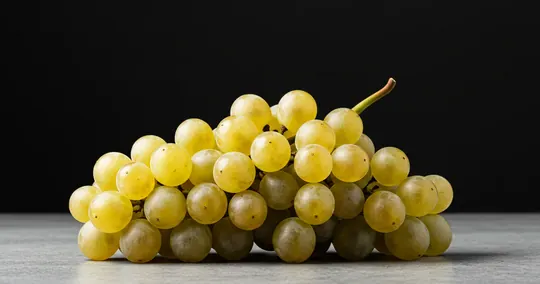
Sémillon is a golden-skinned Bordeaux grape central to dry Graves whites and sweet Sauternes, and to long-lived Hunter Valley wines in Australia. Thin skins make it especially receptive to noble rot in humid autumns.